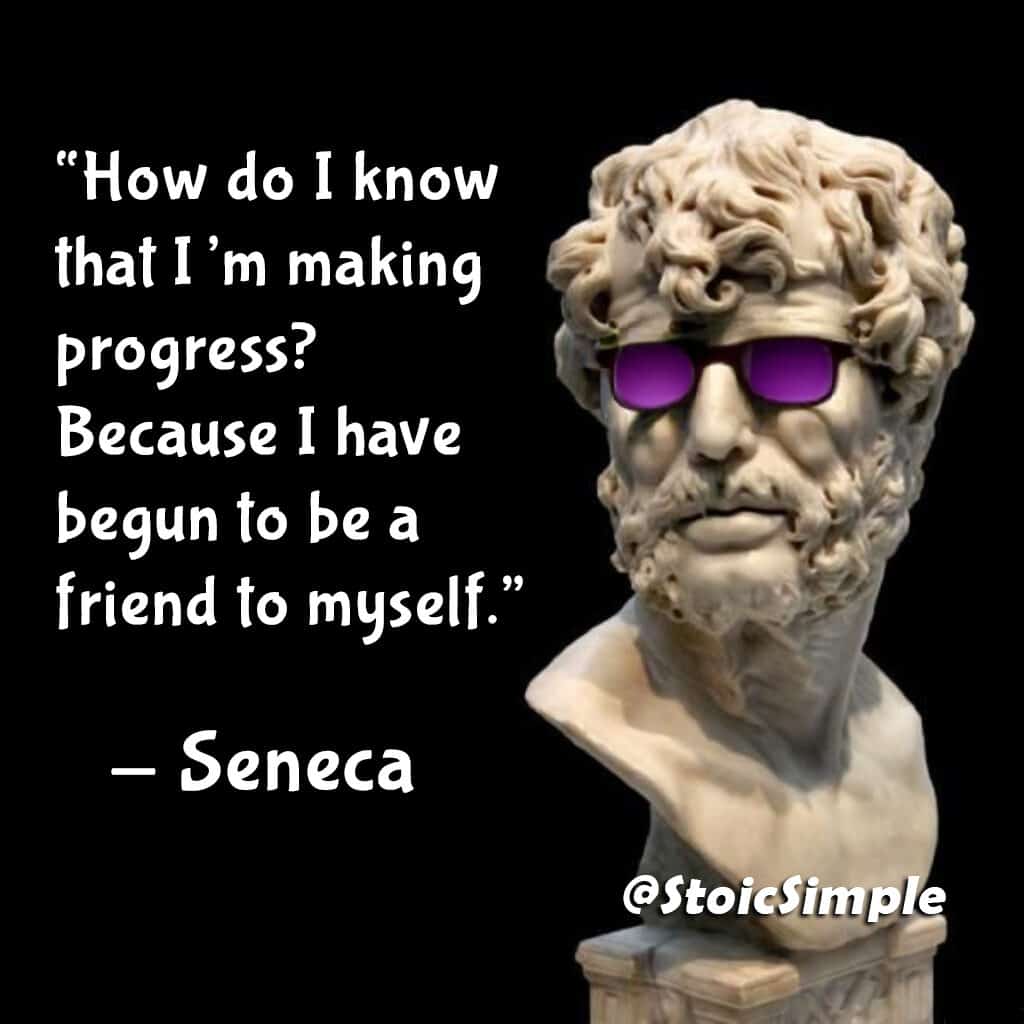
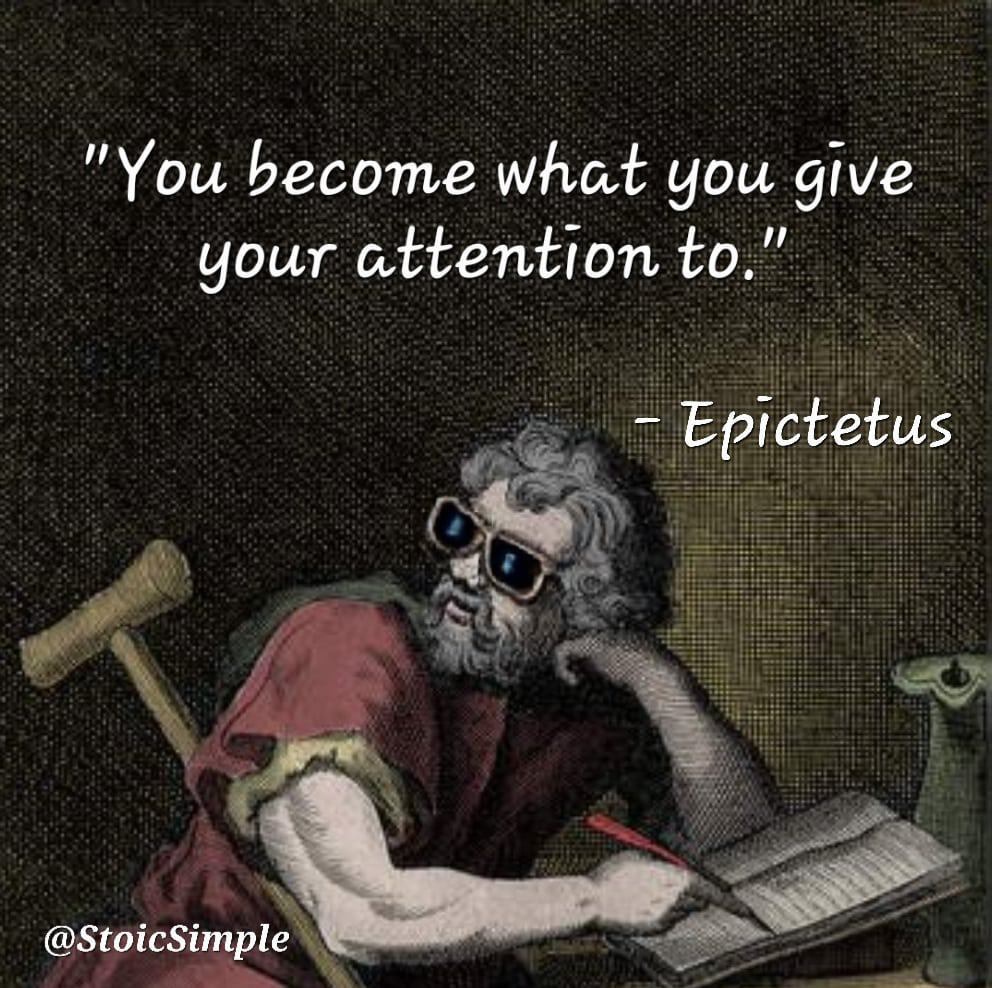
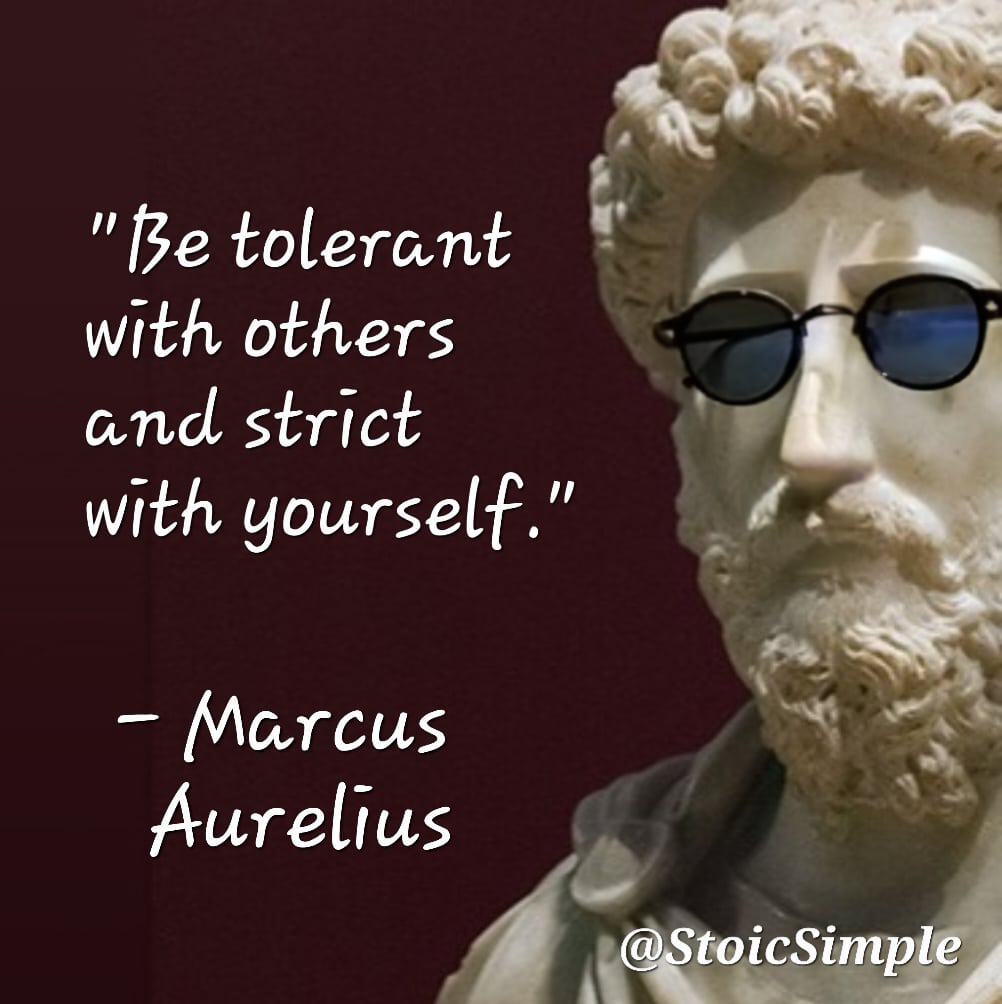
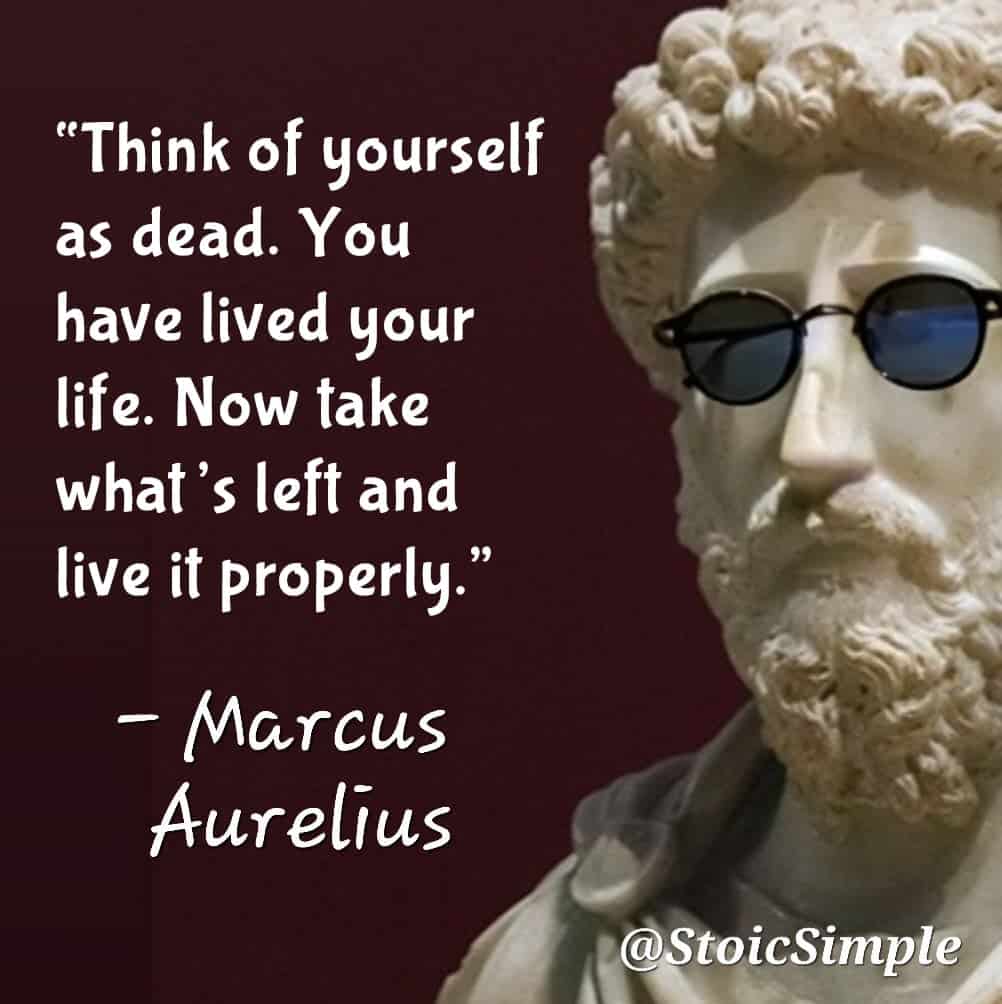
“Growing old is not so bad when you consider what the alternative is.”
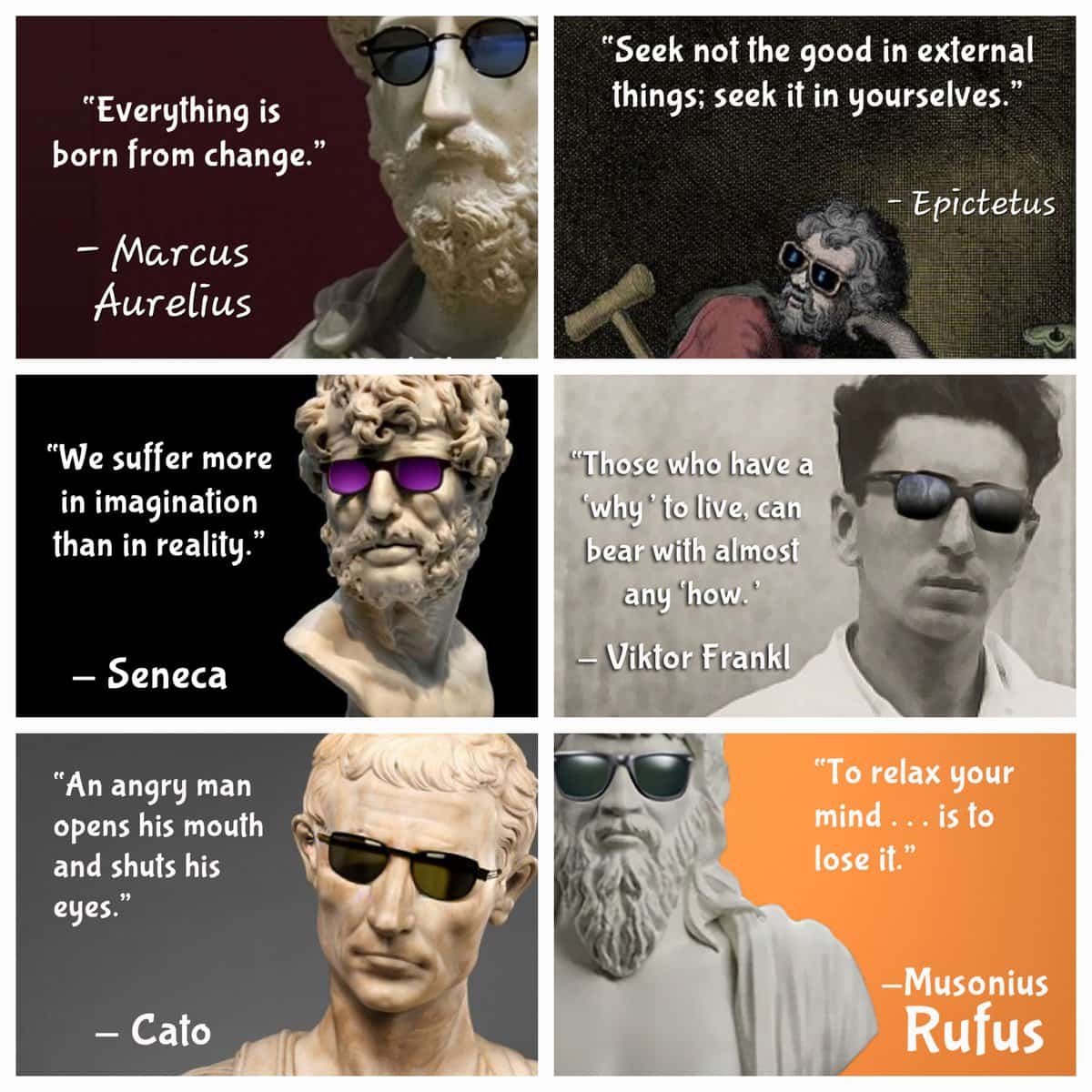
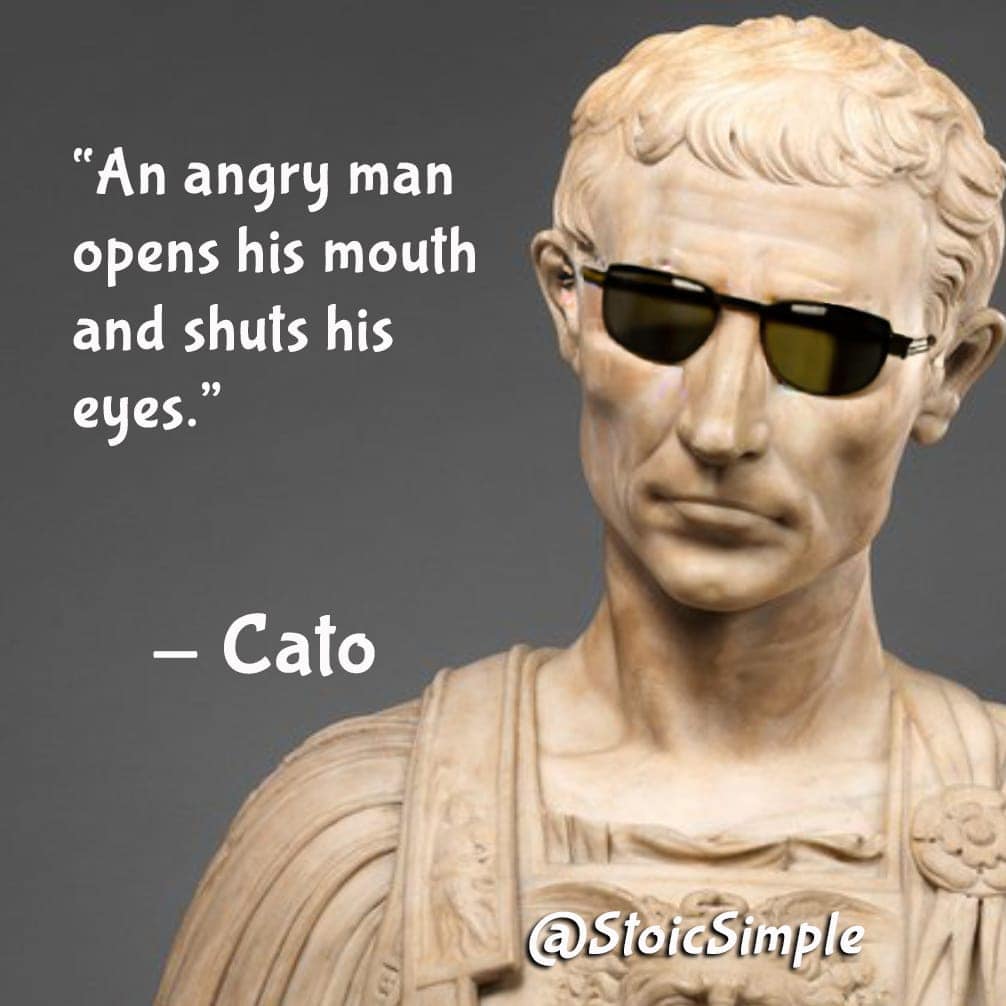
“An angry man opens his mouth and shuts his eyes.”
“The best way to keep good acts in your memory is to refresh them with new ones.”
“When I’m dead, I would rather have people ask why I have no monument than why I have one.”
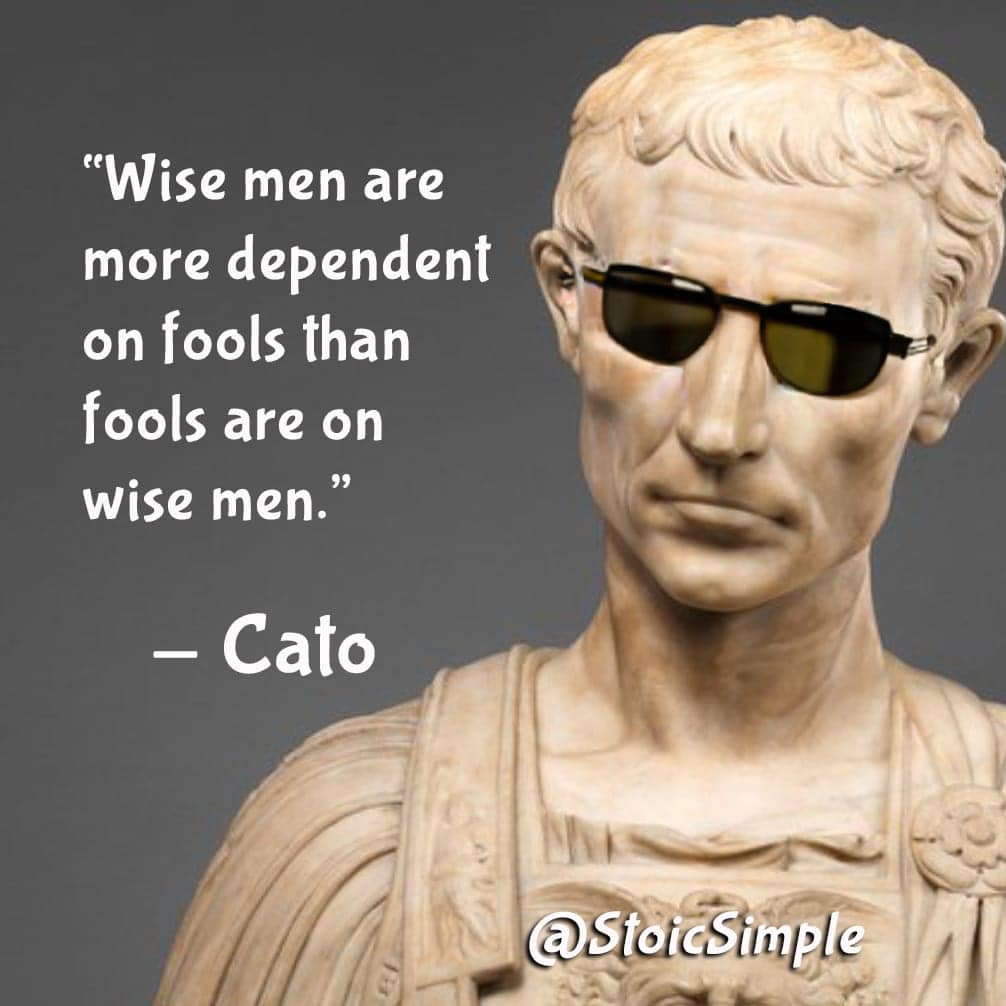
“Wise men are more dependent on fools than fools are on wise men.”
“When men choose to do nothing, they also learn to do evil.”
“I only start to speak when I’m sure that what I have to say is not better left unsaid.”
“Flee laziness, because the indolence of the soul is the decay of the body.”
“Don’t promise twice what you can do at once.”
“The wise man considers in silence whatever anyone says.”
“A person’s words can both conceal and reveal their inner soul.”
“Consider it the greatest of all virtues to restrain your tongue.”
“Everyone has the gift of speech. But few have the gift of wisdom.”
“Bitter are the roots of study . . . but their fruit is sweet.”
“If you want to live properly, don’t worry about what the unwise ones say.”
“Don’t be beholden to a tyrant for showing mercy. He has no right to rule over you in the first place.”
“Every person has the right to enjoy the fruits of their own labors.”
“Each man is the sole Lord and Judge of his own private actions.”
“Never think that common people should not have anything to do with their own governing.”
“If you could prevent a bad thing but do not, then you are, in effect, encouraging it.”
“When men disagree about things they think are important, they tend to disagree about everything else, as well.”
“I don’t know what treason is, if it is not betraying the liberty of your own people.”
About Cato the Younger
Cato the Younger, also known as Marcus Porcius Cato, was a Roman statesman and philosopher who lived from 95 BC to 46 BC. He was known for his strict adherence to traditional Roman values and his opposition to the corruption and excesses of the Roman Empire.
Cato was born into a wealthy and influential family in Rome, and was well-educated in the classics and the teachings of the Stoic philosophers. He began his political career as a quaestor, a financial officer, and quickly rose through the ranks to become a tribune, a senator, and eventually a consul.
Despite his aristocratic background, Cato was an advocate for the common people and was known for his integrity and dedication to public service. He was also a vocal opponent of Julius Caesar, who he believed threatened the traditional Roman way of life.
During his political career, Cato was instrumental in implementing several important reforms, including the introduction of a welfare system for the poor and the establishment of a public library in Rome. He was also a fierce defender of the Roman Republic and its values, and was a key figure in the civil wars that ultimately led to the end of the Republic and the rise of the Roman Empire.
Cato was famous for his strict adherence to traditional Roman virtues, and was known for his ascetic lifestyle and his fierce opposition to corruption and excess. He was a strong advocate for self-reliance and self-discipline, and was known for his stoicism and his commitment to the principles of justice and virtue.
Despite his many accomplishments, Cato is perhaps best remembered for his tragic death. After the defeat of the Roman Republic, Cato was forced to flee to North Africa, where he continued to fight against the forces of Caesar. Eventually, he was defeated and took his own life rather than surrender to his enemies.
Cato the Younger was a complex and fascinating figure, and his legacy continues to inspire and influence political thought to this day. His steadfast commitment to traditional Roman values and his opposition to corruption and excess make him an enduring symbol of virtue and integrity.
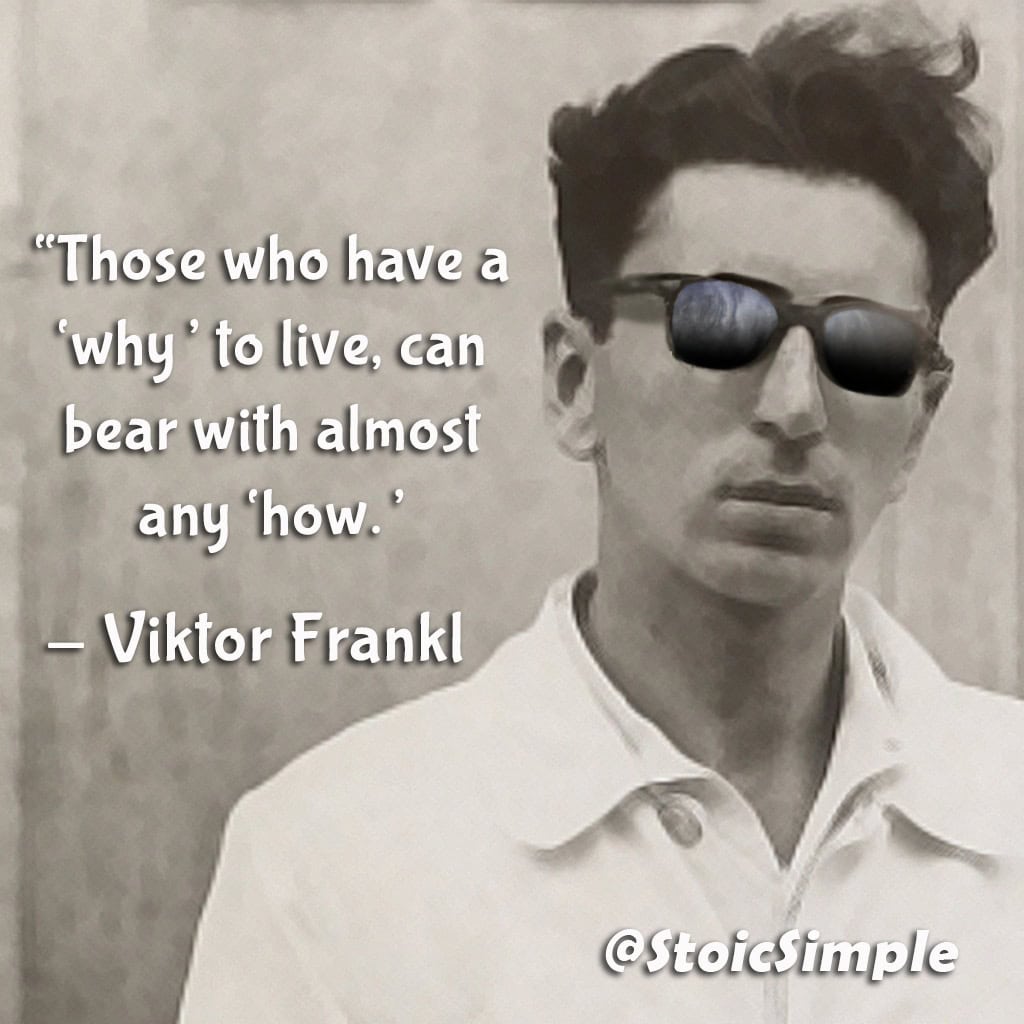
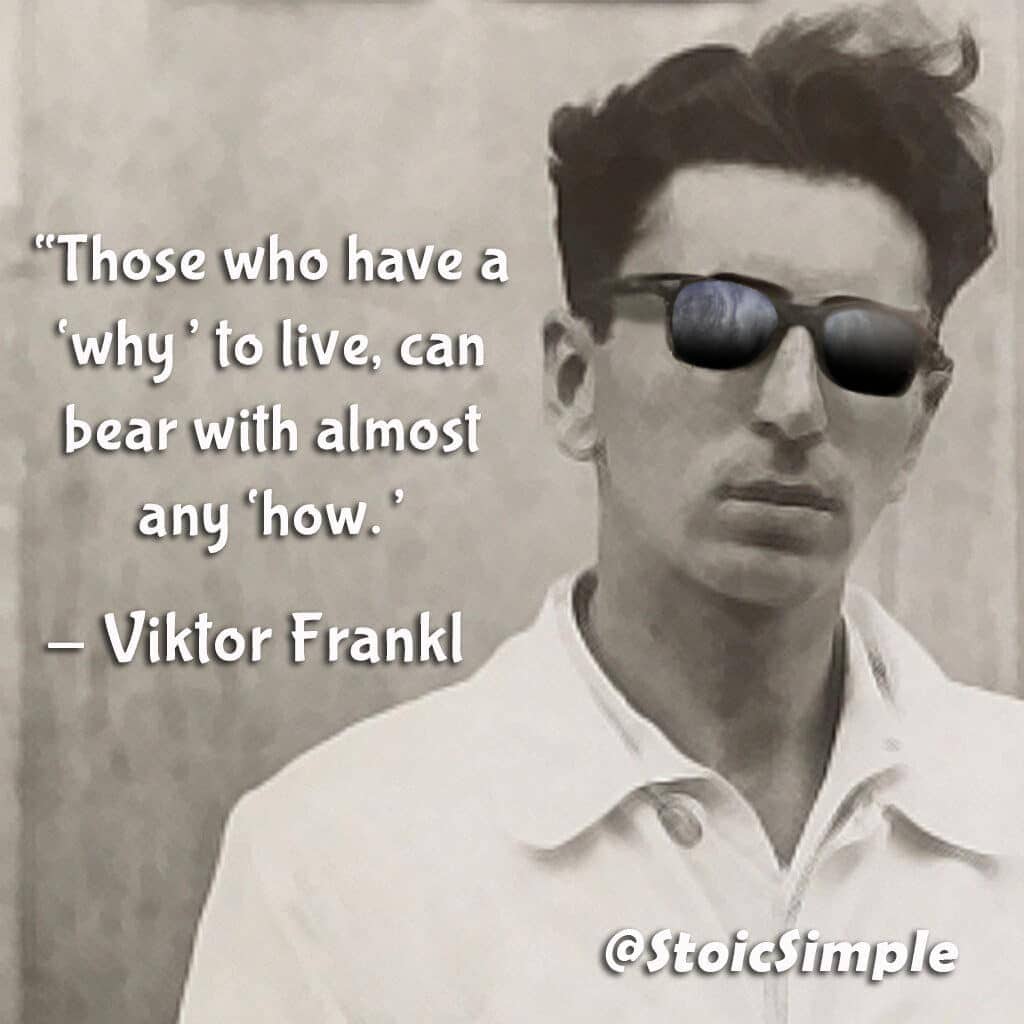
“Those who have a ‘why’ to live, can bear with almost any ‘how.'”
“When we are no longer able to change a situation, we are challenged to change ourselves.”
“Everything can be taken from a man but one thing . . . to choose one’s attitude in any given set of circumstances.”
“Suffering ceases to be suffering at the moment it finds a meaning, such as the meaning of sacrifice.”
“The world is in a bad state, but all will become even worse unless each of us does his best.”
“Life is not a quest for pleasure, or for power, but a quest for meaning.”
“The greatest task for any person is to find the meaning of his or her life.”
“Life is never made unbearable by circumstances, but only by lack of meaning and purpose.”
“Live as though you are living a second time, and as though you had acted wrongly the first time.”
“Challenging the meaning of life is the truest expression of the state of being human.”
“Ever more people today have the means to live, but no meaning to live for.”
“Each man is questioned by life . . . to life, he can only respond by being responsible.”
“The point is not what we expect from life, but what life expects from us.”
“There is nothing . . . that helps one survive the worst conditions as the knowledge that there is a meaning in one’s life.”
“No man should judge unless he asks himself . . . whether in a similar situation, he might not have done the same.”
“You don’t create your mission in life . . . you detect it.”
“A man should not ask what the meaning of his life is, but remember that it was HE who has asked.”
“Decisions, not conditions, determine what a man is.”
“Life ultimately means . . . to fulfill the tasks which it constantly sets for each individual.”
“Success is total self-acceptance.”
“Every human being has the freedom to change at any instant.”
“When a man finds that it is his destiny to suffer, his unique opportunity lies in the way he bears his burden.”
About Viktor Frankl
Viktor Frankl was an Austrian neurologist and psychiatrist who is best known for his work as a Holocaust survivor, the development of his theory of logotherapy, and his influence on modern Stoic philosophy.
Frankl was born in Vienna, Austria in 1905. He studied medicine at the University of Vienna and, after completing his studies, worked as a neurologist and psychiatrist.
During World War II, Frankl was arrested and deported to the Nazi concentration camps. He spent three years in various camps, including Auschwitz, where he lost his wife, parents, and brother.
Despite the unimaginable suffering he experienced during this time, Frankl refused to give up hope. He believed that even in the darkest of times, people have the ability to find meaning and purpose in their lives.
This belief became the basis for his theory of logotherapy, which focuses on the importance of finding meaning and purpose in life. According to Frankl, this is the key to overcoming suffering and achieving personal growth.
After the war, Frankl returned to Vienna and continued to work as a psychiatrist. He published several books, including his most famous work, “Man’s Search for Meaning,” which details his experiences in the concentration camps and his theories on logotherapy.
Frankl’s work had a profound impact on the field of psychology and Stoicism, and continues to be studied and discussed today. He passed away in 1997, but his legacy lives on through his groundbreaking theories and his inspiring story of survival and hope.
Lucius Annaeus Seneca (also known as Seneca the Younger) was a Roman philosopher, statesman, and playwright who lived from 4 BC to 65 AD. He was a key figure in the development of Stoicism, a philosophical movement that emphasized the importance of living in accordance with reason and virtue.
Seneca was born into a wealthy family in Corduba, Spain. His father was a wealthy Roman senator and his mother was a wealthy landowner. Seneca was well-educated and excelled in his studies of philosophy, literature, and rhetoric. He was also an accomplished orator and writer, and his works were widely read and admired.
Seneca’s political career began in Rome, where he served as a consul and advisor to Emperor Claudius. He was also a mentor to Emperor Nero, but the relationship between the two men eventually soured and Seneca was forced to retire from public life. He spent the last years of his life in retirement, writing and studying philosophy.
Seneca’s philosophy was heavily influenced by Stoicism, a school of thought that originated in ancient Greece. The Stoics believed that the world was governed by a rational and benevolent force, and that people should strive to live in accordance with reason and virtue. They also believed that true happiness could only be achieved by living a life of virtue and wisdom.
Seneca was one of the most influential Stoic philosophers of his time. His writings, including his letters and essays, have been widely read and studied for centuries. In his works, Seneca emphasized the importance of living in accordance with reason and virtue, and he argued that people should focus on what they can control in their lives, rather than worrying about things that are beyond their control.
Seneca’s philosophy has had a lasting impact on Western thought. His ideas about living in accordance with reason and virtue have been embraced by many philosophers and writers, and his writings continue to be read and studied by people interested in Stoicism and philosophy.
Epictetus was a Stoic philosopher who lived during the first and second centuries AD. Born into slavery, he was eventually freed and went on to establish a famous and well-attended philosophy school in Greece, where he taught his particular brand of Stoicism.
Epictetus believed that true happiness and freedom could only be achieved by accepting the things we cannot change and focusing on what we can control. He believed that we should strive to control our own thoughts and actions, rather than trying to control external events or other people.
Epictetus also emphasized the importance of self-discipline and living in accordance with nature. He believed that we should strive to align our actions with reason and virtue, and avoid being swayed by emotions or external influences.
Epictetus’s teachings have had a profound impact on Stoicism, and his ideas continue to be relevant and influential today. His emphasis on personal responsibility and self-control has resonated with many, and his philosophy has been adopted by people from all walks of life, from business leaders to athletes to everyday individuals.
Epictetus’ life and teachings serve as a reminder of the importance of self-control and living in accordance with reason and virtue. His influence on Stoicism continues to be felt today, and his philosophy remains a valuable guide for those seeking to live a happy and fulfilling life.
Marcus Aurelius was a Roman emperor and philosopher who is considered one of the most important figures in the history of Stoicism. Born in 121 AD, Aurelius was the last of the “Five Good Emperors” and is best known for his “Meditations,” a series of personal reflections on life, ethics, and philosophy.
His writings were heavily influenced by Stoicism, a philosophical school of thought that emphasizes the importance of living in accordance with nature and accepting one’s fate. Marcus Aurelius believed in the concept of Stoic acceptance, which holds that events in our lives are outside of our control, and that we should strive to be indifferent to them and instead focus on our own actions and inner character.
Marcus Aurelius was known for his wisdom and philosophical insights, and his Meditations are still widely read and studied today. In them, he reflects on a wide range of topics, including the nature of the universe, the role of reason in our lives, and the importance of living a virtuous life.
One of the key themes in Aurelius’s writing is the idea of living in the present moment. He believed that we should not be distracted by the past or the future, but instead focus on the present and make the most of our time here on earth. This idea is closely connected to the Stoic concept of mindfulness, which emphasizes the importance of staying grounded in the present and not getting caught up in worries about the future or regrets about the past.
Marcus Aurelius was also a successful emperor and military leader. He is best known for his role in the Marcomannic Wars, a series of conflicts with Germanic tribes that threatened the Roman Empire. Aurelius was able to repel the invaders and maintain the empire’s borders, but the wars took a heavy toll on him and his armies.
In the end, Marcus Aurelius’s commitment to Stoicism and his belief in the importance of living in accordance with nature helped him to cope with the challenges of his life and the difficult decisions he had to make as emperor. His Meditations remain a powerful reminder of the timeless wisdom of Stoicism and the importance of living a virtuous and thoughtful life.
The famous Stoic thinkers quoted below believed in the power of controlling our thoughts and emotions to lead a happier life. Their wise words can help us to let go of things outside of our control and focus on what we can change within ourselves.
“Don’t explain your philosophy. Embody it.”
Epictetus
Here are a few of our favorite Stoicism quotes, sayings and phrases that can help you be present in the moment, embrace life’s challenges, and cultivate a more positive and fulfilling existence! (If you’d like to listen to all of these instead, go check out our Stoic Quotes Playlist on YouTube!)
Marcus Aurelius was a Roman emperor who wrote the famous book, Meditations, which is essentially a collection of his personal thoughts and reflections on life. Despite being a powerful ruler, he was a strong advocate of Stoicism, and he emphasized the importance of living in accordance with reason and virtue. His writings continue to inspire and influence people today, reminding us to focus on our inner growth and wisdom rather than external distractions.
Epictetus was a Stoic teacher who was born into slavery but rose to start his own school and became one of the most influential figures in Stoicism. He taught that we cannot control external events, but we can control how we react to them. His emphasis on self-control and acceptance of whatever comes our way greatly influenced the Stoic movement and continues to impact our understanding of how to lead a happy and fulfilling life.
Lucius Annaeus Seneca was a statesman in the Roman Republic, a writer and philosopher who was highly influential in the development of Stoicism. Known for his wit and wisdom, he wrote extensively on the subject, and his ideas continue to be studied and revered today. His focus on living a virtuous life and practicing self-control and discipline remains a core tenet of Stoicism, and his writings have inspired generations of philosophers and thinkers.
Viktor Frankl was a renowned psychiatrist and neurologist who was heavily influenced by Stoicism. He believed in the power of personal responsibility and the ability to find meaning in even the most difficult circumstances. His experiences as a Holocaust survivor shaped his belief in the importance of inner freedom and the ability to choose one’s attitude in any situation. His work, including his famous book “Man’s Search for Meaning,” has greatly impacted the modern understanding of Stoicism and its emphasis on resilience and mental strength.
Cato the Younger was a fierce advocate of Stoicism, living his life according to its principles of virtue, rationality, and self-control. He famously stood up to Julius Caesar, refusing to compromise his beliefs even in the face of overwhelming odds. His steadfast dedication to Stoicism earned him the admiration of his peers and helped to spread the philosophy throughout ancient Rome.
Gaius Musonius Rufus was a charismatic and influential Stoic philosopher who was known for being a teacher of Epictetus (whose lessons can be found in The Enchiridion). He emphasized the importance of living a virtuous life, and his teachings were focused on applying Stoic principles to everyday situations. He believed that true happiness could only be found through living a virtuous life and following the Stoic virtues of wisdom, courage, justice, and self-control. His influence on Stoicism was significant, and he is often considered one of the key figures in the development of the philosophy.
Life is about finding peace and contentment by focusing on what is within our control and accepting what is outside of our control with grace and wisdom.
Relationships should be based on mutual respect, clear communication, and a focus on what is within our control, rather than seeking external validation or attachment.
We only have control over our own thoughts and actions, and that it’s important to focus on what we can control in order to live a peaceful and fulfilling life.
Work should be approached with a clear mind and a focus on fulfilling our duties and responsibilities to the best of our abilities, while accepting whatever results may come.
Stoicism teaches that love should be unconditional, rational, and based on virtue, and that it should prioritize the loved one’s well-being over our own emotional desires.
Focus on developing a virtuous character, practicing self-control, and embracing life’s challenges with wisdom and acceptance for personal growth and fulfillment.
As Stoics, we believe in ourselves and trust in our abilities, because confidence comes from understanding our inner strength and embracing challenges as opportunities for growth and development.
In Stoicism, a healthy marriage is built on mutual respect, trust, and open communication, and emphasizes the importance of accepting life’s difficulties together.
Stoicism encourages us to accept pain and illness as natural and inevitable parts of life, and to focus on our inner strength and resilience in facing these challenges.
Helping others is an important part of living a virtuous life, as it helps to create a harmonious community and bring us closer to inner peace and contentment.
A Stoic takes calculated risks based on our values and principles, accepting the outcomes as part of life’s journey and finding peace in our control over our own actions.
Stoic believe that the purpose of life is to live in accordance with nature and reason, by embracing our role as rational beings and focusing on what is within our control.
The Best Stoic Quotes on Purpose >>
31. Resilience
Resilience comes from embracing challenges, accepting what is outside of our control, and focusing on cultivating a strong sense of inner peace and wisdom.
The Best Stoic Quotes on Resilience >>
32. Learning
For someone studying Stoicism, learning is a continual process of seeking wisdom, understanding and personal growth, and accepting that some things are beyond our control.
The Best Stoic Quotes on Learning >>
33. Courage
Courage is the ability to face fear and uncertainty with strength, wisdom, and equanimity.
The Best Stoic Quotes on Courage >>
34. Stress
Stress is just a natural part of life and can be managed by focusing on our inner strength and attitude towards it, rather than trying to control external circumstances.
The Best Stoic Quotes on Stress >>
35. Worrying
Focus on what you can control and let go of worry by recognizing that some things are simply beyond our power to change.
The Best Stoic Quotes on Worrying >>
36. Teamwork
Stoicism emphasizes the importance of working together with a common goal and treating each other with respect and dignity in order to achieve success as a team.
The Best Stoic Quotes on Teamwork >>
37. Competition
We should focus on our own efforts and values in competition, rather than getting caught up in winning or losing.
The Best Stoic Quotes on Competition>>
38. Leadership
Stoic leaders should cultivate inner wisdom, virtue, and resilience to lead with fairness, justice, and integrity, and to inspire others to do the same.
The Best Stoic Quotes on Leadership >>
39. Attitude
Stoicism encourages a calm and rational perspective on life by teaching us to focus on what we can control and let go of what we cannot.
The Best Stoic Quotes on Attitude >>
40. Discipline
Discipline is the key to living a virtuous and content life by exercising control over our emotions and desires.
The Best Stoic Quotes on Discipline >>
41. Friendship
True friendship is based on mutual respect, honesty, and a shared understanding of virtuous behavior, leading to a harmonious and fulfilling relationship.
The Best Stoic Quotes on Friendship >>
42. Freedom
True freedom lies in our ability to control our thoughts and emotions, rather than external circumstances.
The Best Stoic Quotes on Freedom >>
43. Wisdom
Wisdom is a matter of understanding and accepting the natural order of things, and using reason and virtue to live in harmony with it.
The Best Stoic Quotes on Wisdom >>
44. Ego & Arrogance
Stoicism encourages us to let go of our ego and arrogance, and focus on the present moment with humility and wisdom.
The Best Stoic Quotes on Ego & Arrogance >>
45. Fate
While fate may determine the events that happen in our lives, it is up to us to control how we respond and react to them, making us the masters of our own destiny.
The Best Stoic Quotes on Fate >>
46. Letting Go
We should release attachment to things outside of our control and focus on developing inner peace and wisdom, allowing us to find contentment in all circumstances.
The Best Stoic Quotes on Letting Go >>
47. Clarity
By focusing on what can be controlled and disregarding what cannot, one can attain clarity and peace of mind.
The Best Stoic Quotes on Clarity >>
48. Solitude
For students of Stoicism, solitude can be a valuable opportunity for self-reflection and growth, allowing us to find peace and wisdom within ourselves.
The Best Stoic Quotes on Solitude >>
49. Success
True success is achieved by focusing on what we can control (our own thoughts, actions, and character) rather than external factors like wealth, status, or power.
The Best Stoic Quotes on Success >>
50. Lust & Sex
Stoicis believe that excessive indulgence in lust and sex can lead to emotional turmoil and distraction from our duties, so it encourages moderation and control in these desires.
The Best Stoic Quotes on Lust & Sex >>
51. Exercise & Sports
Exercise and sports shoul be approached with a focus on mental discipline and strength, rather than solely for physical achievement or competition.
The Best Stoic Quotes on Exercise & Sports >>
52. Wealth
Wealth is not the key to happiness, but rather it is our perspective and inner peace that truly bring joy and fulfillment.
The Best Stoic Quotes on Wealth >>
53. Possessions
We should view our possessions as mere tools, rather than as the source of happiness or identity, and encourages us to cultivate inner peace and contentment instead.
The Best Stoic Quotes on Posessions >>
54. Travel
Travel should be approached with a sense of detachment and an emphasis on finding inner peace and contentment, regardless of the external circumstances and surroundings.
The Best Stoic Quotes on Travel >>
55. Power
True power lies in our ability to control our own thoughts, emotions, and reactions, rather than external circumstances or possessions.
The Best Stoic Quotes on Power >>
56. Long Life
The length of our life is not as important as how we live it. As long as we strive to live a virtuous and meaningful life, we will have lived a good life no matter how long or short it may be.
The Best Stoic Quotes on Youth >>
57. Old Age
Aging is a natural part of life and should be embraced with grace, wisdom, and acceptance as it provides opportunities for growth and reflection.
The Best Stoic Quotes on Old Age >>
58. Grief & Loss
While loss and grief are inevitable, we can choose to react to them with resilience and acceptance by focusing on what we can control and finding meaning in our experiences.
The Best Stoic Quotes on Grief & Loss >>
59. Fame
Fame is fleeting and ultimately unimportant, as true happiness and contentment can only be found within oneself.
The Best Stoic Quotes on Fame >>
60. Revenge
Stoic teachers encourage us to let go of our desire for revenge and vengance and instead focus on improving ourselves and living a virtuous life.
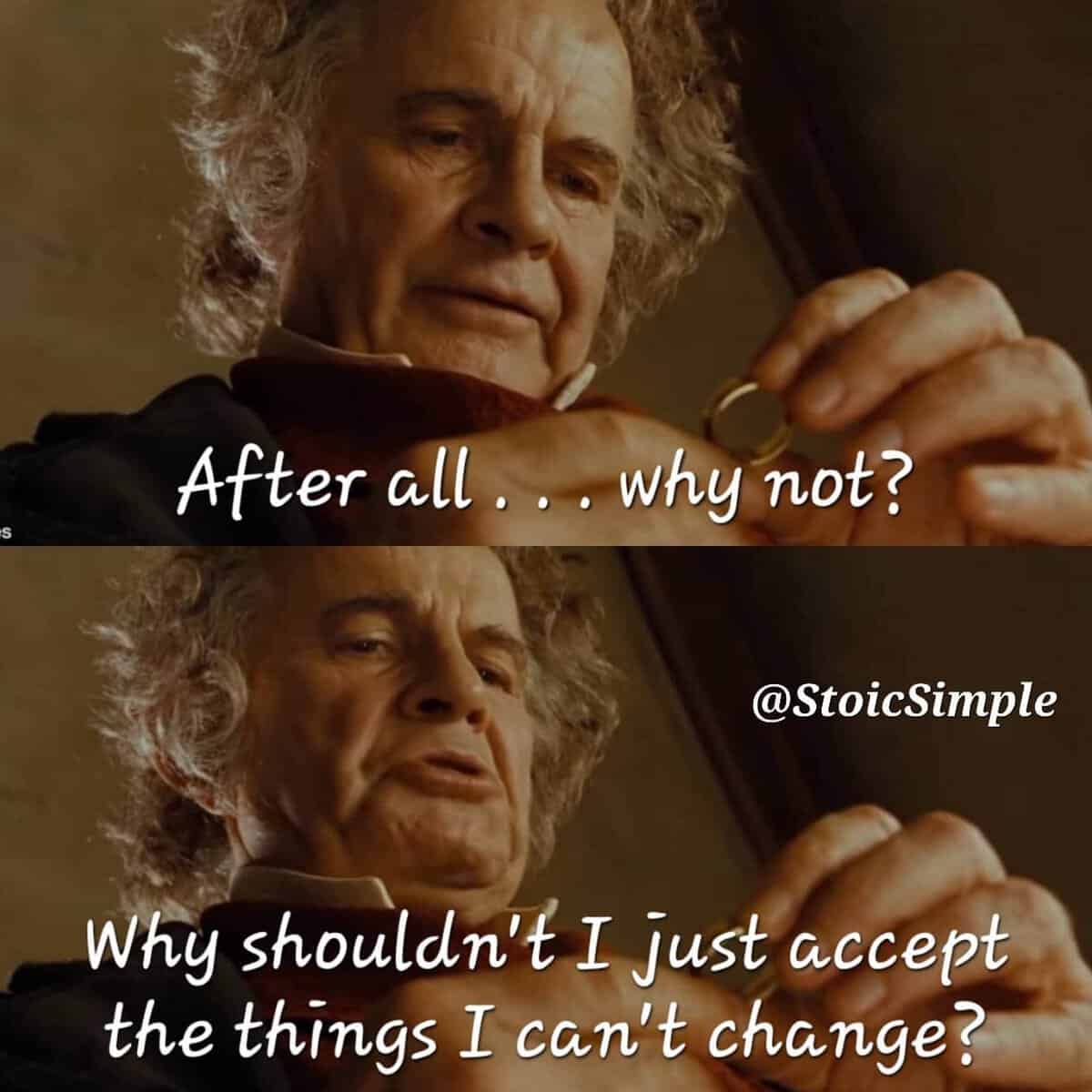
Who says that Stoicism and humor don’t mix? Check out a few funny Stoicism memes from Stoic Simple below . . . and feel free to share them on your favorite social media channel!
“Most of your problems are the result of your own choices and actions.”
“Hey! I’ve got a difficult challenge that will test your virtue and self-discipline down here.”
Realizing you can never lose if you only choose goals that you have complete control over.
When you do something virtuous, but you don’t tell anyone because living a virtuous life is its own reward.
Me being happy with what I already have and getting very little satisfaction from possessions, but appreciating the kind gesture.
Stoicism on my fears and anxieties.
Regretting who you were in the past vs. being grateful for who you are in the present.
When you finally learn to stop worrying about about stuff that’s out of your control.
Blaming neither myself nor others for my misfortunes.
Welcome to life . . . where lots of stuff is painful and unfair, but you can still choose to find happiness and a sense of purpose if you choose to.
“Let me get this straight. You value your time more than your possessions?”
When someone thinks that Stoics are pacifists . . .
You don’t HAVE to face challenges, you GET to face challenges.
“Cast it into the fire! Destroy it!”
Stoicism vs. our initial impressions
“For the love of God, don’t you realize that rage only impedes your goals, and that every situation you face is made easier by clear thinking and a lack of anger?”
Stoicism sneaking up on all of the bad stuff . . .
Gratitude for the life I was given and joy in doing the job that fate assigned to me . . .
I knew it!
When someone says they’re into Stoicism, but they don’t care about the well-being of others . . .
When someone refers to Stoicism as “a religion” . . .
When you’re a Stoic, and you’re waiting for life to present you with a serious challenge to overcome.
Wishing for the strength to face bad things when they do happen . . .
Stoic Thinking vs. imagined troubles . . .
Suffering a minor pain and not making it worse by complaining.
Me, not being harmed because I choose not to feel harmed.
Stoics being strict with themselves and tolerant with others.
Talking about being a good person vs. being one.
Stoicism means suppressing your emotions? No.
“How do you do, fellow Stoics?”
Finding meaning in facing the challenges that life sets before us.
The universe before and after you make a mistake.
“Well, then I’ve lost interest.”
Don’t let what’s going on around you get inside you and weigh you down.
When someone says that Stoics deny all of their feelings.
This changes nothing.
The Scroll of Truth!
We blame the stuff for upsetting us, and blame the world for all of our problems.
The entire world demanding that I take one side or the other . . .
“I can’t recall what the heck I used to be so anxious and ticked off about all the doggone time . . . and at this point, I’m afraid to ask.”
Hey, we get it: when you discover Stoicism, it’s tough not to tell everyone about it. But that urge to blab about your knowledge and show people how great you’re becoming can hold you back . . . which is why one famous Stoic thinker used to warn his students about a vomiting sheep.
About 2,000 years ago, a dude named Epictetus said that going around showing everyone how wise Stoicism is making you actually keeps you from improving yourself.
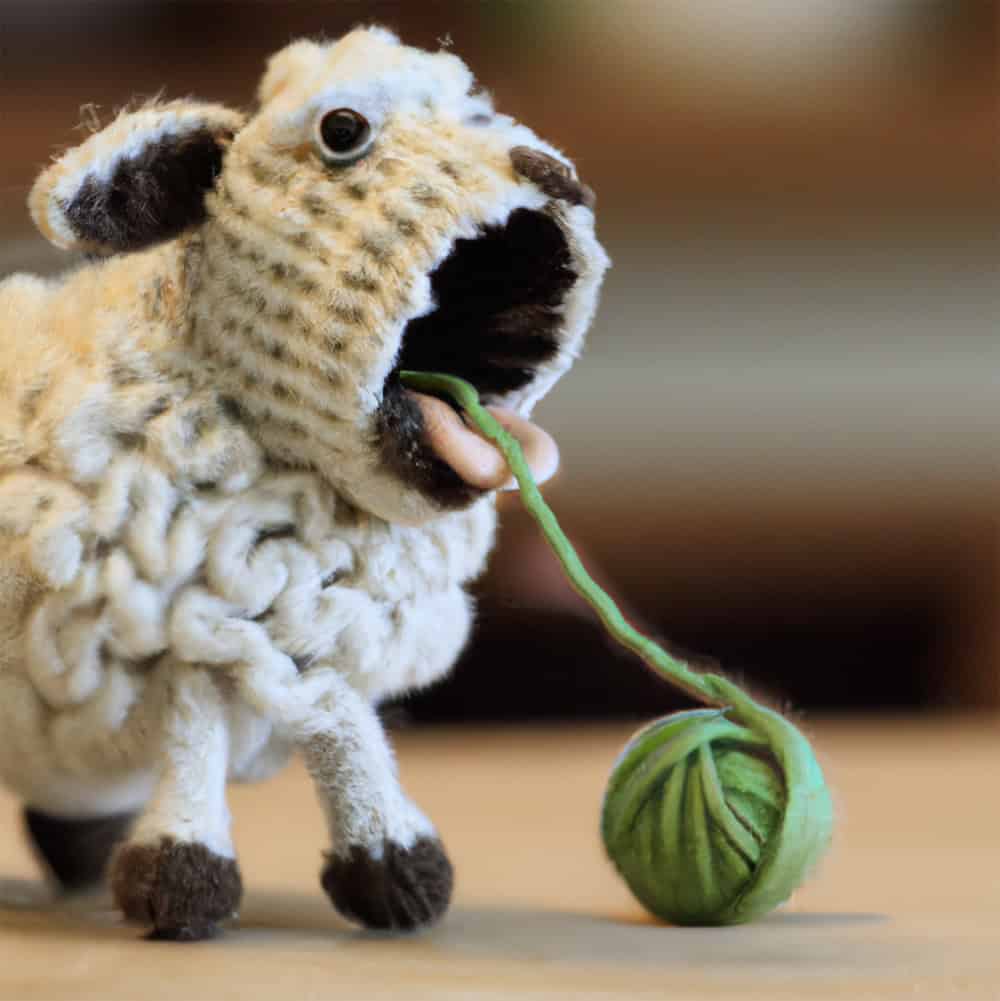
“If anyone starts talking about philosophy, stay quiet, because you might end up just vomiting out the stuff you’ve learned without digesting it. Sheep don’t throw up grass to show a shepherd how much they ate . . . instead, they digest it and use their food to produce wool and milk.”
Epictetus
If you really apply Stoicism to your life and focus on using it to grow, then other people are going to notice that you’ve changed. You won’t need to tell them about your progress, because they’ll see it in your actions.
If you’re busy bragging to everyone about your wisdom, then you’re wasting time that could be used to improve yourself and live a happier life.
Besides . . . who the heck cares what other people think about you, anyway? It doesn’t matter.
So, are you learning Stoicism and then vomiting it out to show people how great you are? Or are you applying it to your life and using it to become a better person . . . without worrying about other people’s opinions?
The core concepts of Stoicism are super simple, and that’s why it’s been such a powerful and life-changing tool for millions of people around the world.
If someone’s explanation of what “Stoic” means takes longer than a few seconds to understand, then they’re making it more complicated than it should be.
Over on the Reddit Stoicism group, someone asked for examples of the easiest way to explain what “Stoic” means, and we got a kick out of some of the awesome, simple answers they got!
This answer that was offered by a user named OrangesAreOrangeHa is a short, sweet and beautiful way to explain Stoicism to a newcomer:
Of course, “trying to be the best person you can along the way” could mean a lot of different things to different people . . . but we think that most Stoics would agree that part of it involves finding satisfaction in simply doing your best.
Here’s another answer that we really liked:
“Don’t waste time” and “do what you can with the time that was given to you” are both great pieces of advice for anyone, regardless of whether they’re into Stoicism or not!
And finally, our favorite simple description of being Stoic from a user who goes by the name of chaimatchalatte on Reddit:
Lots of people wrongly think that Stoicism means getting rid all emotions, which is why we love that this explains that “emotions are neither good or bad, just don’t let them control you.”